
Siam Crisp publishes guides for cooks, buyers, and restaurant teams who want flavor to be easier to understand. This article focuses on help customers use the product after purchase and increase conversion. and keeps the advice practical: what to notice, how to use the condiment, where the flavor belongs, and what mistakes to avoid when comparing jars or serving Thai crispy chili at the table.
Before choosing a jar or planning a dish, think about the role the condiment must play. Sometimes it is a finishing crunch for a simple rice bowl. Sometimes it is a fast aromatic base for a sauce. Sometimes it is a retail product that has to explain itself on a shelf in five seconds. The strongest crispy chili can move between those jobs because the flavor is structured, not random.
That structure is also what makes the product easier to buy with confidence. Look for a clear flavor promise, visible texture, practical serving ideas, and a profile that respects the food underneath it. A Thai crispy chili should add excitement, but it should also solve a real kitchen problem: making everyday meals taste layered without turning dinner into a complicated project.
Start With the Base
The easiest way to use Thai crispy chili is to add it to a neutral base. Rice, noodles, eggs, tofu, potatoes, and steamed vegetables all give the condiment room to show its texture and aroma. For someone searching for how to use chili crisp, Thai crispy chili recipes, chili crisp meals, this distinction matters because the product is not only a way to add heat. It is a way to add texture, aroma, and a sense of preparation to food that may otherwise be very simple.
Start with a small spoon and leave the jar on the table. This lets each person tune heat and crunch without forcing the whole dish in one direction. It also keeps the crispy pieces from softening too early. In practical terms, the best use is to treat the jar like a finishing ingredient with a clear job. Decide whether the dish needs crunch, aromatic oil, chili warmth, or all three, then spoon accordingly. This keeps the flavor controlled and helps every serving feel intentional.
Practical check 1
The base should be warm, seasoned lightly, and not already overloaded with competing sauces. A good crispy chili should make the next bite more inviting. If the condiment takes over the dish, tastes harsh, or hides the base ingredient, reduce the amount and add freshness, broth, rice, or lime to bring the plate back into balance.
Use It After Cooking
Most people get better results when they add crispy chili after cooking rather than during a hard fry. Finishing preserves the crunch and protects delicate garlic or shallot notes from tasting burnt. For someone searching for how to use chili crisp, Thai crispy chili recipes, chili crisp meals, this distinction matters because the product is not only a way to add heat. It is a way to add texture, aroma, and a sense of preparation to food that may otherwise be very simple.
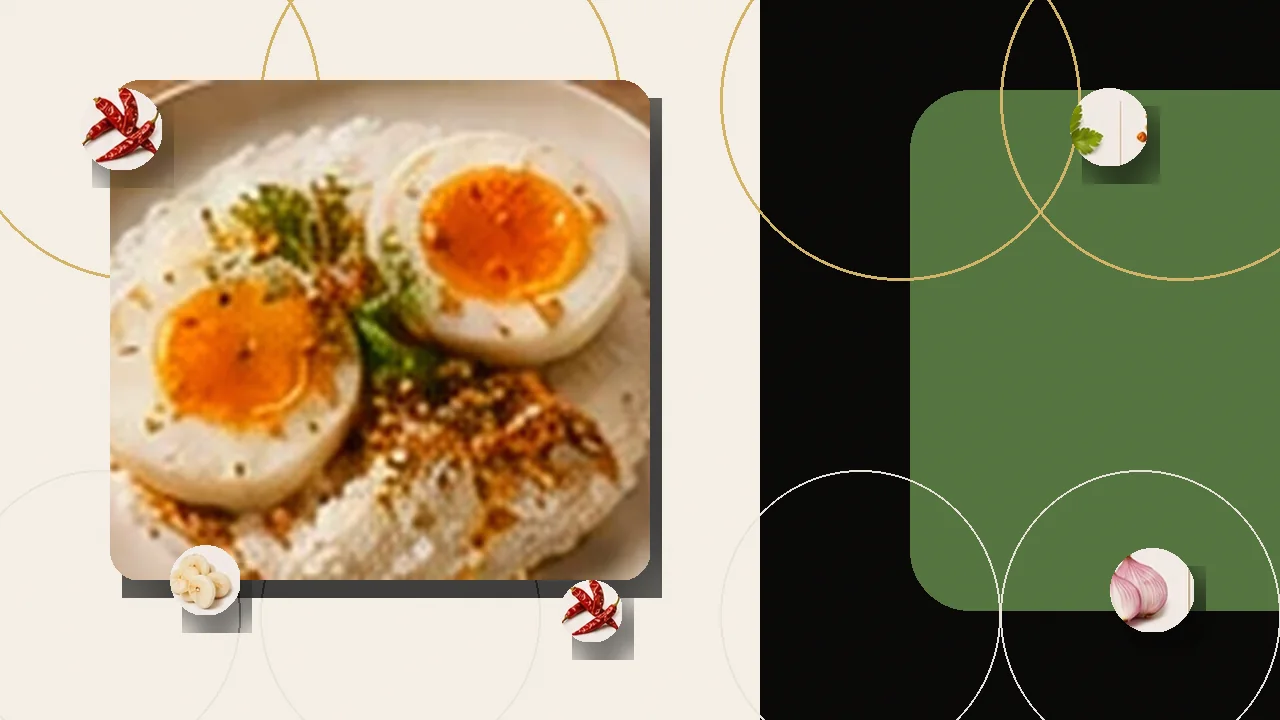
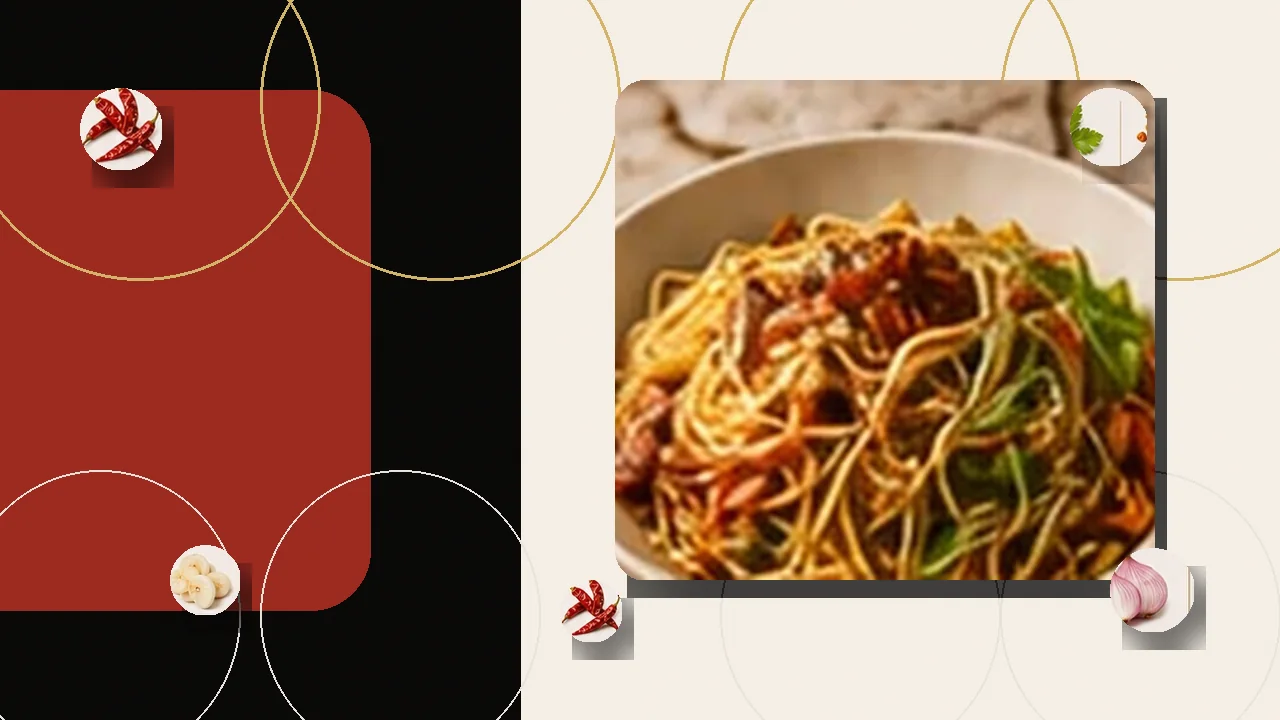
For fried eggs, spoon it over the yolk after plating. For noodles, toss at the end. For soup, swirl the oil and crunch into the bowl just before serving. This keeps the condiment vivid. In practical terms, the best use is to treat the jar like a finishing ingredient with a clear job. Decide whether the dish needs crunch, aromatic oil, chili warmth, or all three, then spoon accordingly. This keeps the flavor controlled and helps every serving feel intentional.
Practical check 2
High heat can flatten the aroma, so save the jar for the finish. A good crispy chili should make the next bite more inviting. If the condiment takes over the dish, tastes harsh, or hides the base ingredient, reduce the amount and add freshness, broth, rice, or lime to bring the plate back into balance.
Build Quick Sauces
Thai crispy chili can become a sauce base with almost no work. Mix it with lime juice for brightness, a touch of soy or fish sauce for salt, a little honey for sweetness, or yogurt for a creamy dip. For someone searching for how to use chili crisp, Thai crispy chili recipes, chili crisp meals, this distinction matters because the product is not only a way to add heat. It is a way to add texture, aroma, and a sense of preparation to food that may otherwise be very simple.
The ratio depends on the dish, but the principle stays the same: let the condiment provide aroma and crunch while another ingredient adjusts acidity, salt, or body. This makes one jar behave like several condiments. In practical terms, the best use is to treat the jar like a finishing ingredient with a clear job. Decide whether the dish needs crunch, aromatic oil, chili warmth, or all three, then spoon accordingly. This keeps the flavor controlled and helps every serving feel intentional.
Practical check 3
Do not add every pantry item at once. One supporting ingredient is often enough. A good crispy chili should make the next bite more inviting. If the condiment takes over the dish, tastes harsh, or hides the base ingredient, reduce the amount and add freshness, broth, rice, or lime to bring the plate back into balance.
Upgrade Leftovers
Leftovers are where chili crisp earns a permanent place in the kitchen. Yesterday's rice, roasted vegetables, grilled chicken, or plain noodles can taste new with a small spoonful of aromatic crunch. For someone searching for how to use chili crisp, Thai crispy chili recipes, chili crisp meals, this distinction matters because the product is not only a way to add heat. It is a way to add texture, aroma, and a sense of preparation to food that may otherwise be very simple.
The key is reheating the base separately, then adding the condiment fresh. If the leftovers are dry, add a splash of water, broth, or lime before finishing with the chili crisp. The result tastes deliberate. In practical terms, the best use is to treat the jar like a finishing ingredient with a clear job. Decide whether the dish needs crunch, aromatic oil, chili warmth, or all three, then spoon accordingly. This keeps the flavor controlled and helps every serving feel intentional.
Practical check 4
Never microwave the jar or stir the entire condiment into leftovers before reheating. A good crispy chili should make the next bite more inviting. If the condiment takes over the dish, tastes harsh, or hides the base ingredient, reduce the amount and add freshness, broth, rice, or lime to bring the plate back into balance.
Pair With Freshness
Heat and crunch become more balanced when paired with fresh elements. Lime, cucumber, herbs, scallions, basil, cilantro, and crisp lettuce all make the condiment feel brighter and less heavy. For someone searching for how to use chili crisp, Thai crispy chili recipes, chili crisp meals, this distinction matters because the product is not only a way to add heat. It is a way to add texture, aroma, and a sense of preparation to food that may otherwise be very simple.
This is especially useful for noodle salads, rice bowls, and grilled proteins. Add the fresh element first, then finish with Siam Crisp so the oil lightly coats the herbs and the crunch stays on top. In practical terms, the best use is to treat the jar like a finishing ingredient with a clear job. Decide whether the dish needs crunch, aromatic oil, chili warmth, or all three, then spoon accordingly. This keeps the flavor controlled and helps every serving feel intentional.
Practical check 5
Freshness is the easiest way to make spicy food feel clean rather than tiring. A good crispy chili should make the next bite more inviting. If the condiment takes over the dish, tastes harsh, or hides the base ingredient, reduce the amount and add freshness, broth, rice, or lime to bring the plate back into balance.
Create a Weekly Ritual
A jar becomes valuable when it solves repeated meals. Pick two or three weekly uses: Friday noodles, weekday eggs, quick rice bowls, or a dipping sauce for roasted vegetables. For someone searching for how to use chili crisp, Thai crispy chili recipes, chili crisp meals, this distinction matters because the product is not only a way to add heat. It is a way to add texture, aroma, and a sense of preparation to food that may otherwise be very simple.
That routine helps the household understand the condiment. Instead of waiting for a special recipe, the jar becomes a practical flavor tool that turns simple food into something memorable. In practical terms, the best use is to treat the jar like a finishing ingredient with a clear job. Decide whether the dish needs crunch, aromatic oil, chili warmth, or all three, then spoon accordingly. This keeps the flavor controlled and helps every serving feel intentional.
Practical check 6
The goal is not novelty every night. It is reliable pleasure with minimal effort. A good crispy chili should make the next bite more inviting. If the condiment takes over the dish, tastes harsh, or hides the base ingredient, reduce the amount and add freshness, broth, rice, or lime to bring the plate back into balance.
Final takeaway
The best Thai crispy chili is not just a spicy extra. It is a pantry shortcut with a clear role: bring crunch, aroma, heat, and savory Thai character to food that people already love. When the condiment is balanced, it becomes easy to use repeatedly, easy to explain to guests, and easy to build into a home kitchen, retail shelf, or restaurant menu.
For a final test, serve it with something plain and something complex. Plain rice or eggs will reveal whether the condiment has enough texture and seasoning to stand on its own. A noodle bowl, grilled dish, or vegetable plate will show whether it can support other flavors without becoming noisy. If both tests work, the jar has real range.